


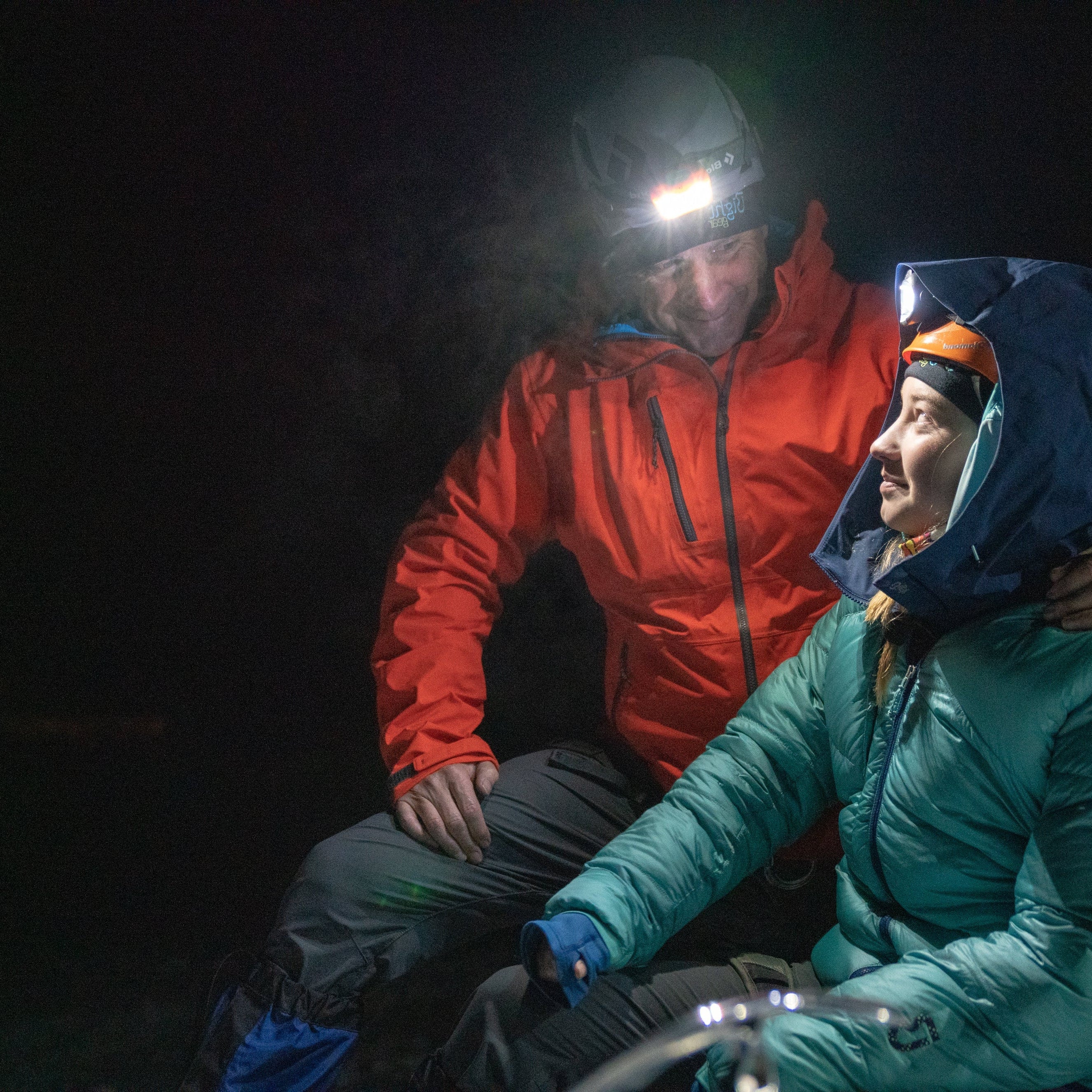
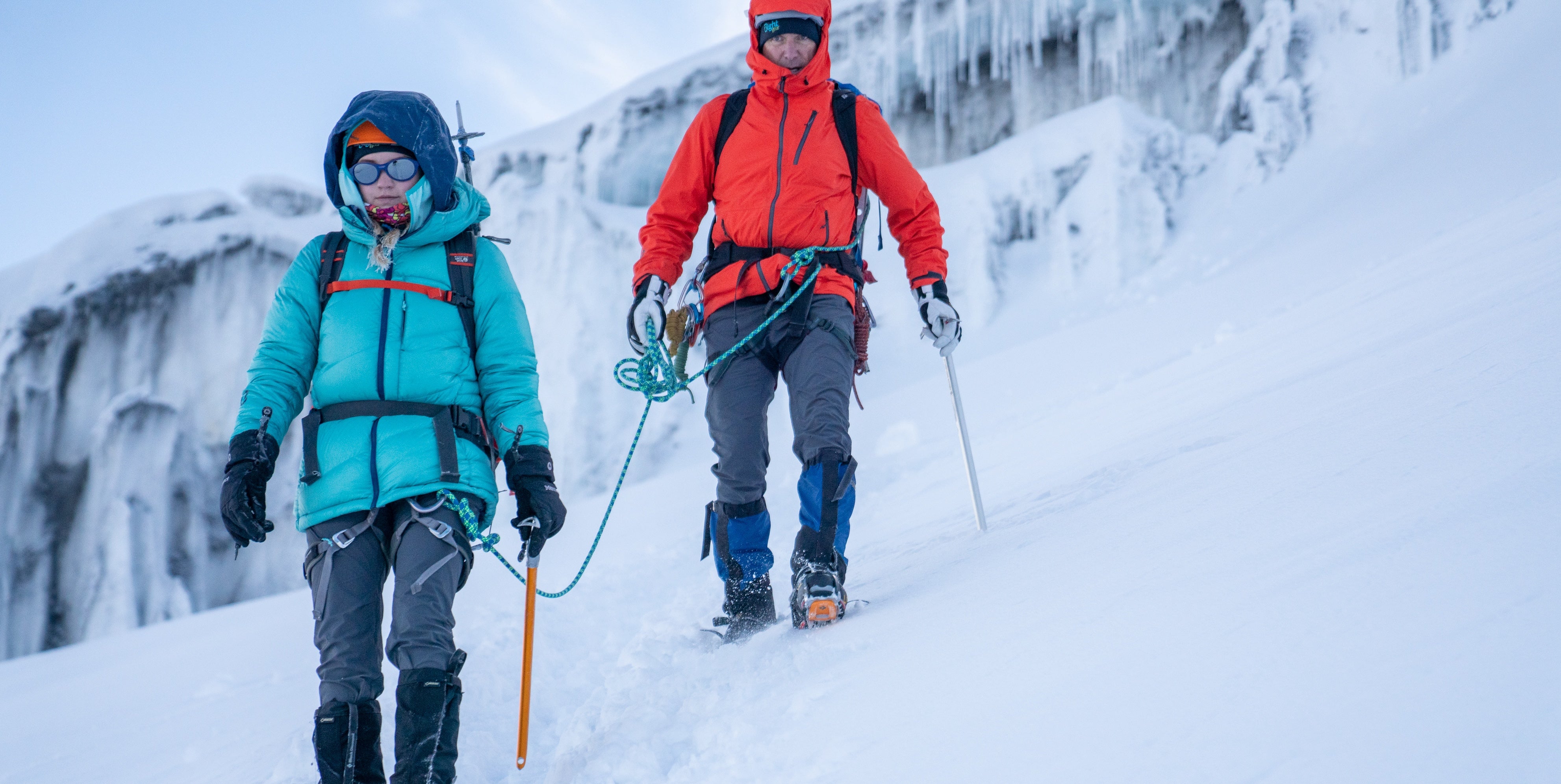
Heavy Insulation
Warmth You Can Bet Your Summit On
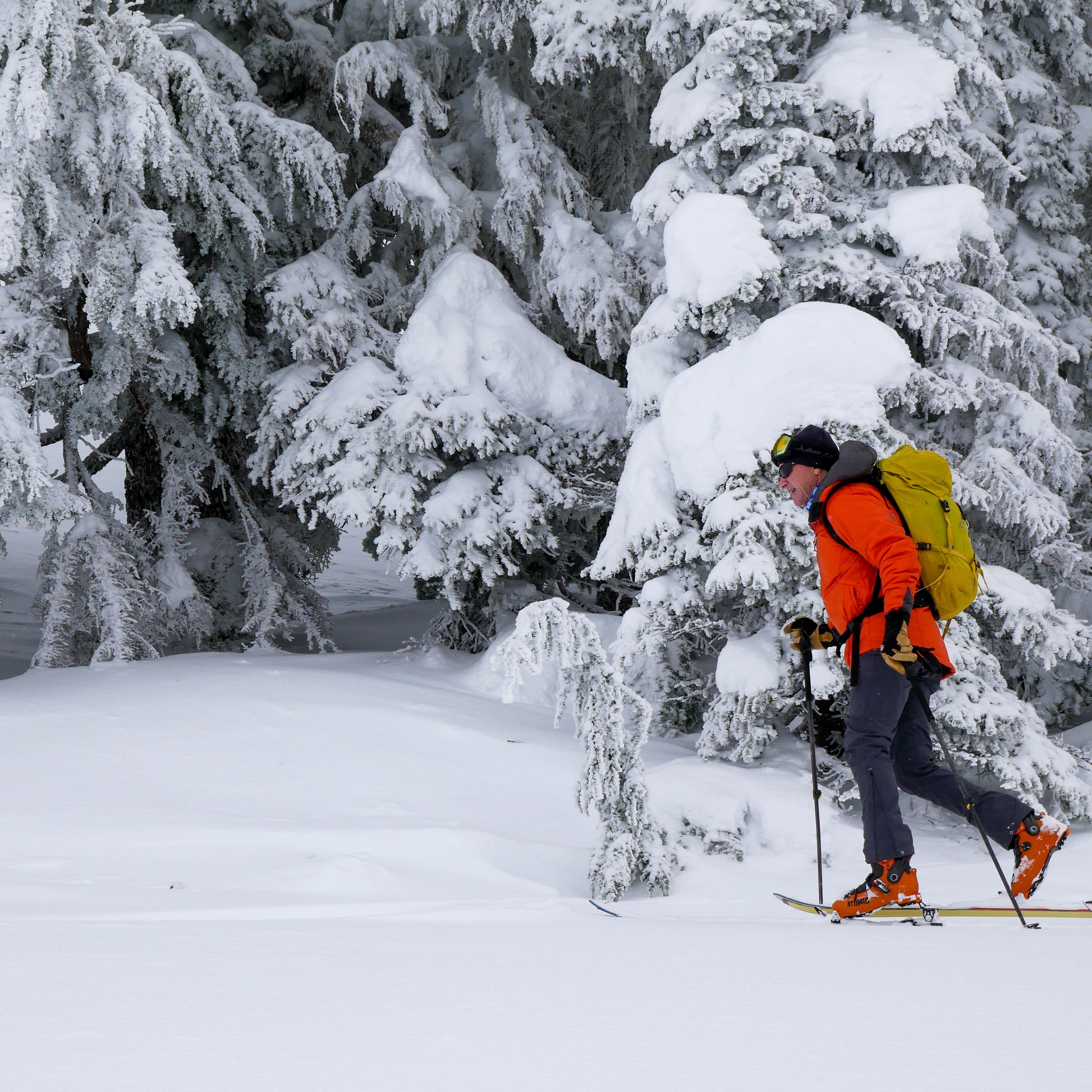
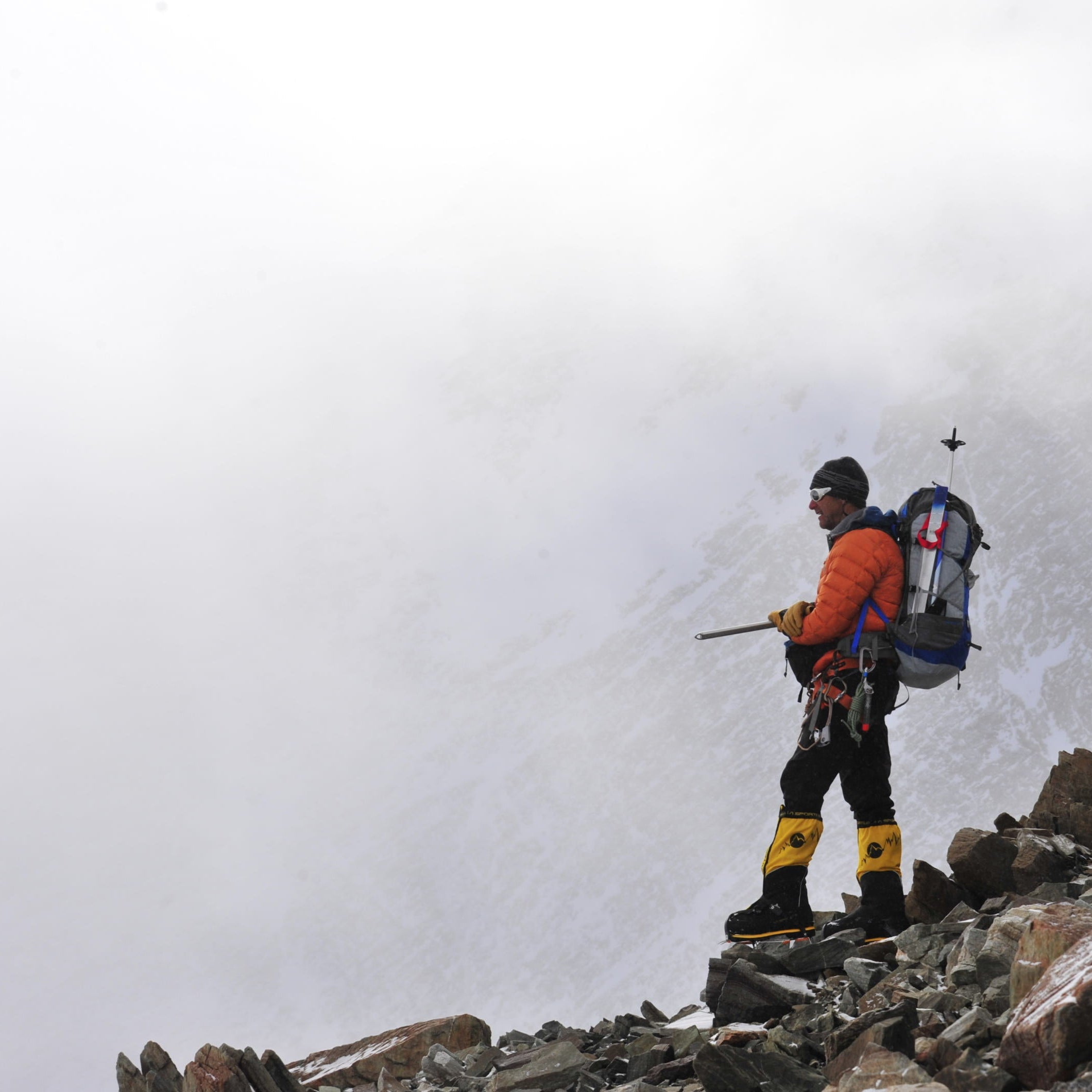
When the temperature drops and the wind starts to bite, your insulation becomes more than comfort — it’s survival. This collection features heavy down and synthetic parkas trusted by guides for Denali, Aconcagua, and other big, cold mountains. Built for warmth, durability, and reliable loft in brutal conditions, these pieces are designed for life above freezing.
Field Tested · Guide Endorsed
Guide Picks
Skip the browsing — pick from the cream of the crop. Like our tagline says, we simplify outfitting.
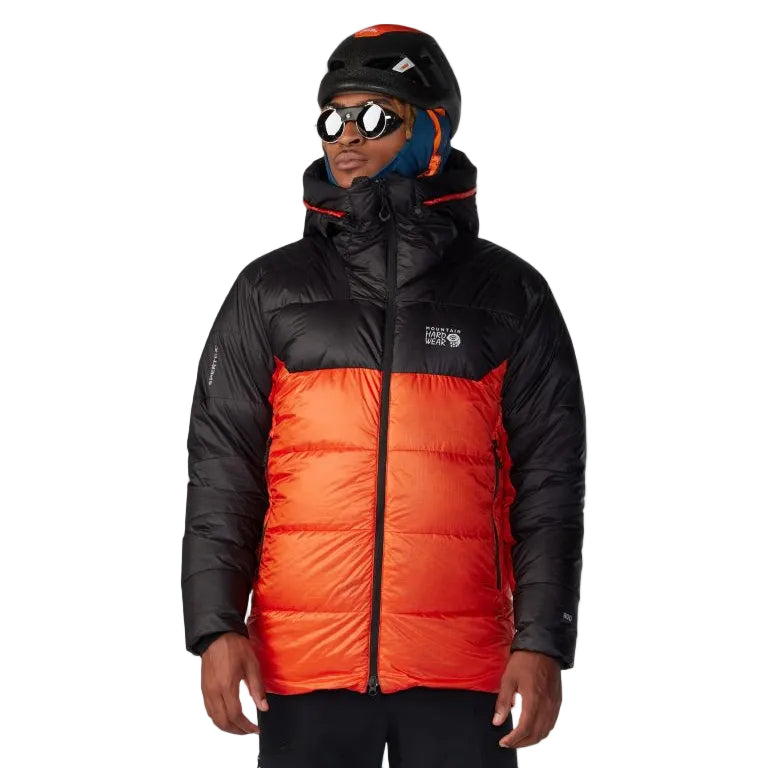
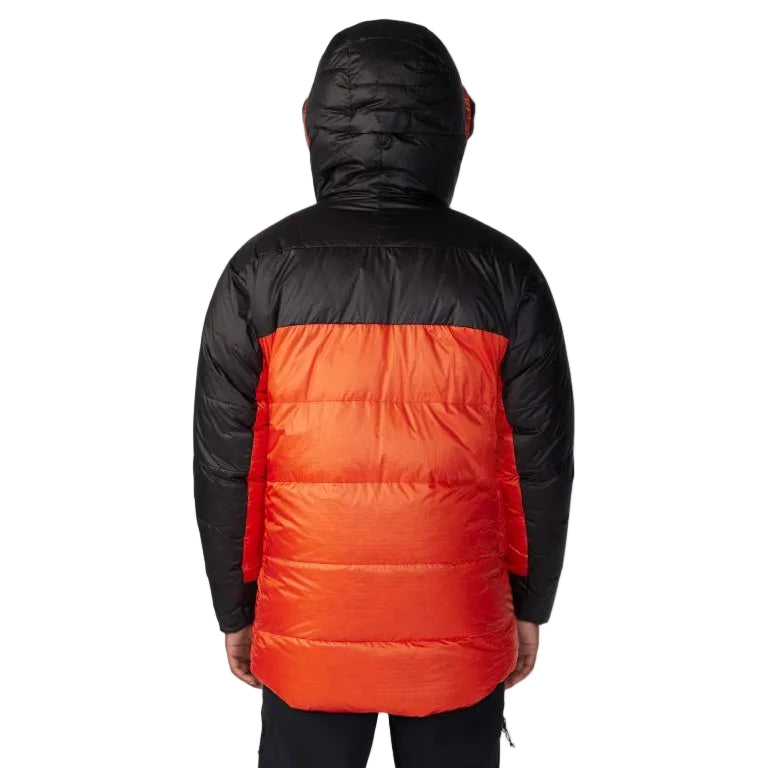

Phantom Belay Down Parka
Sale price$640.00 USD
1 color available
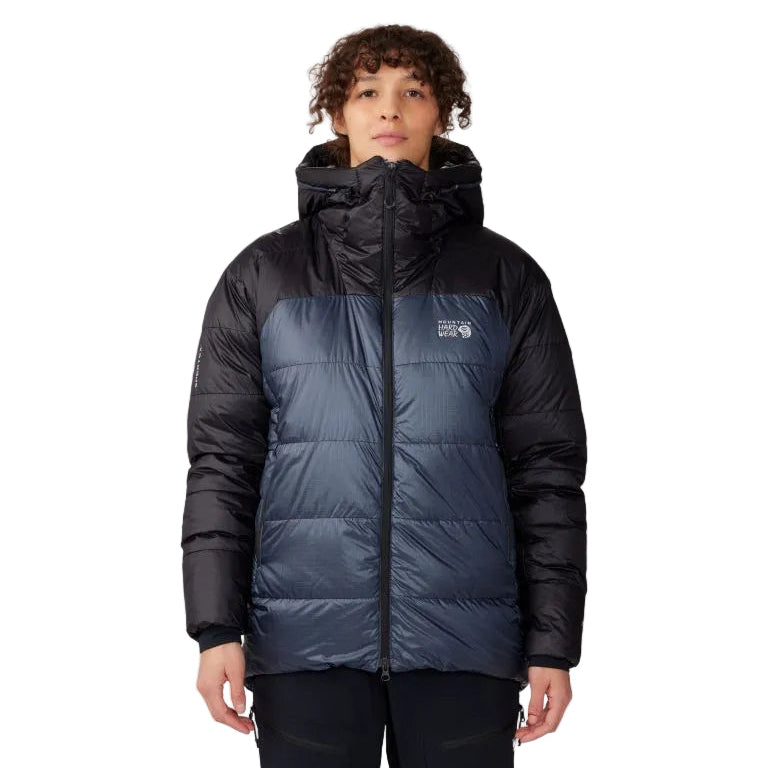
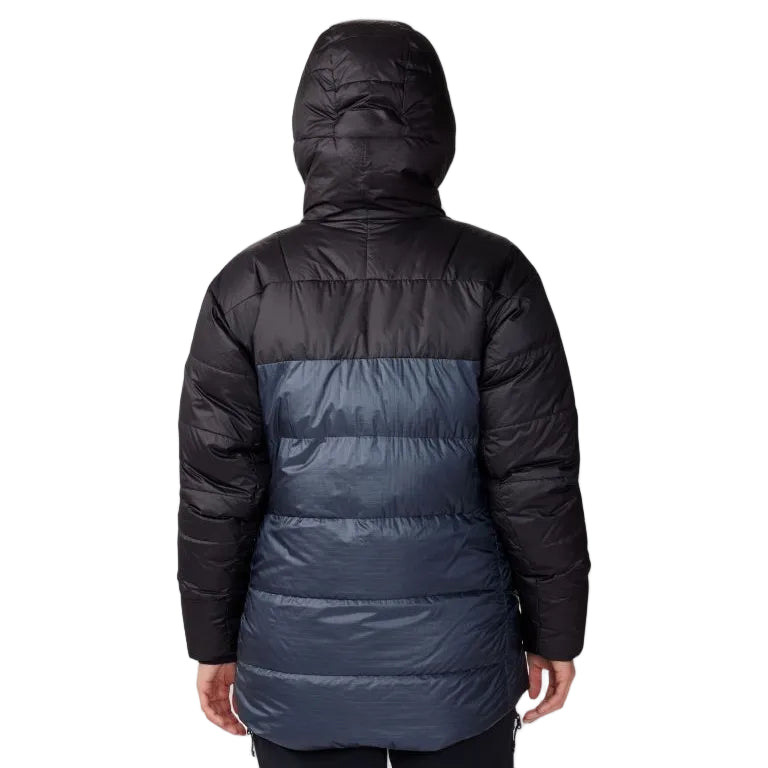
Women's Phantom Belay Down Parka
Sale price$640.00 USD
1 color available
Filters
11 products
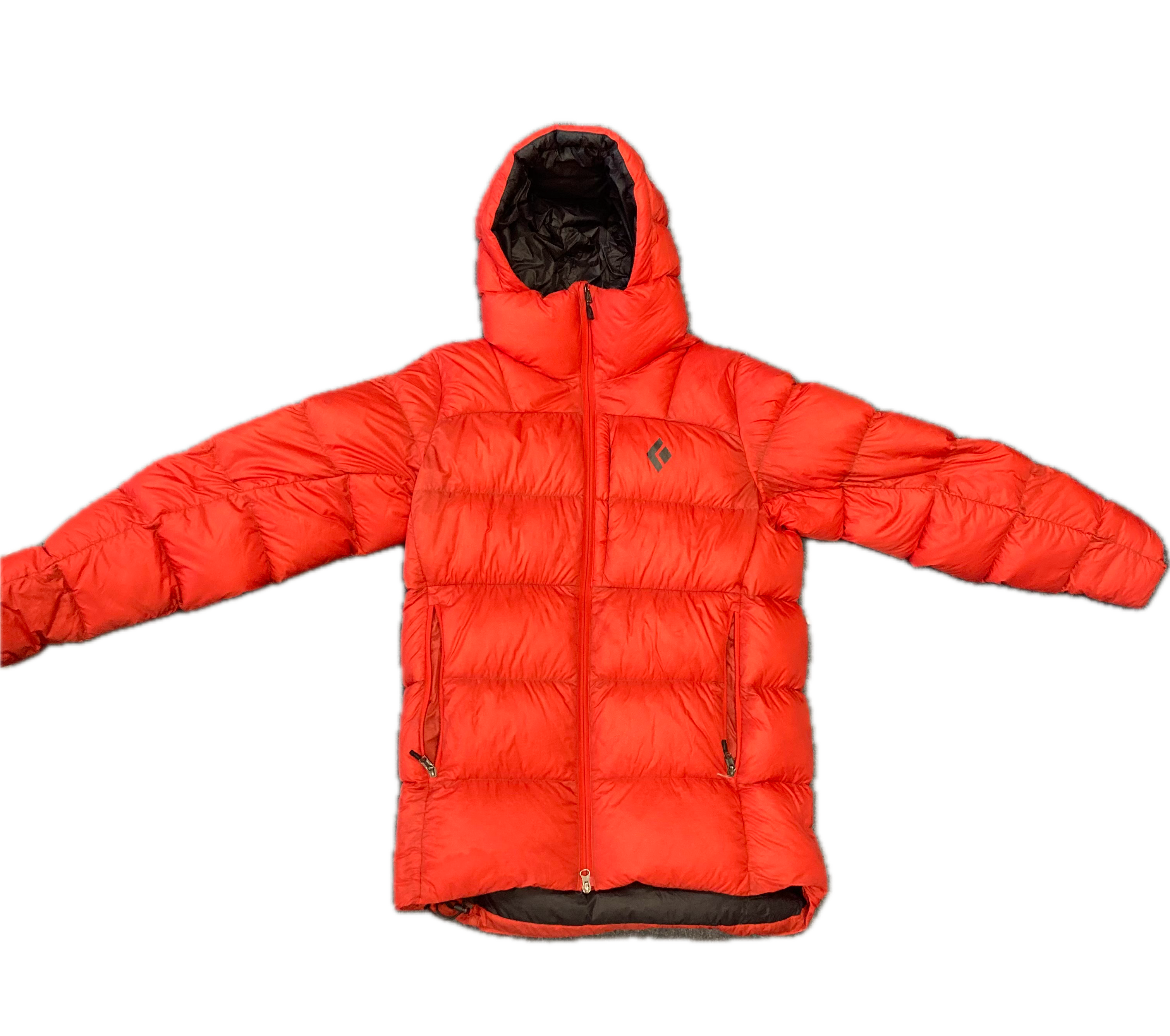
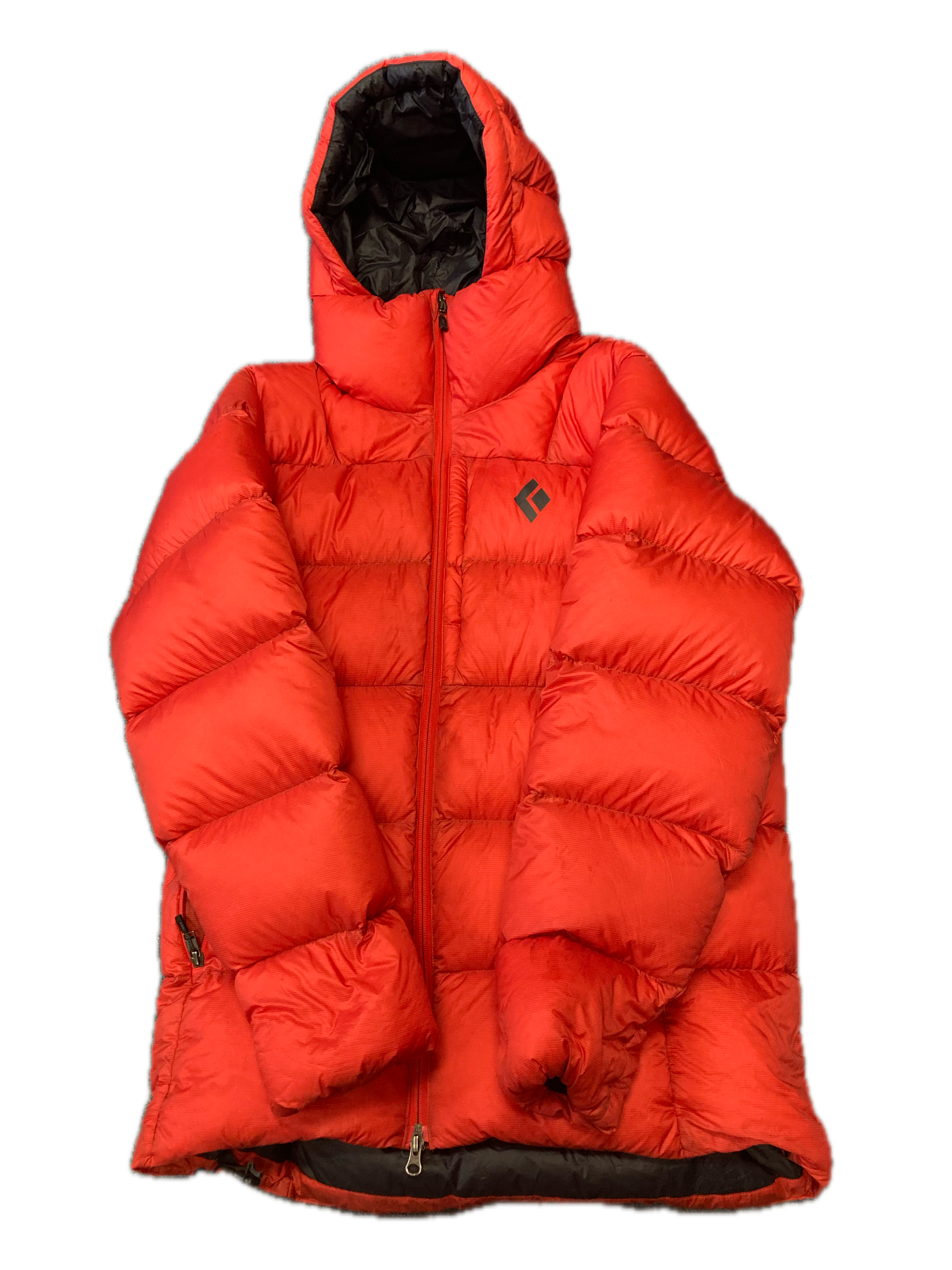
Rainier Expedition Parka - Used
Sale priceFrom $119.99 USD
Regular price$599.00 USD
4.5
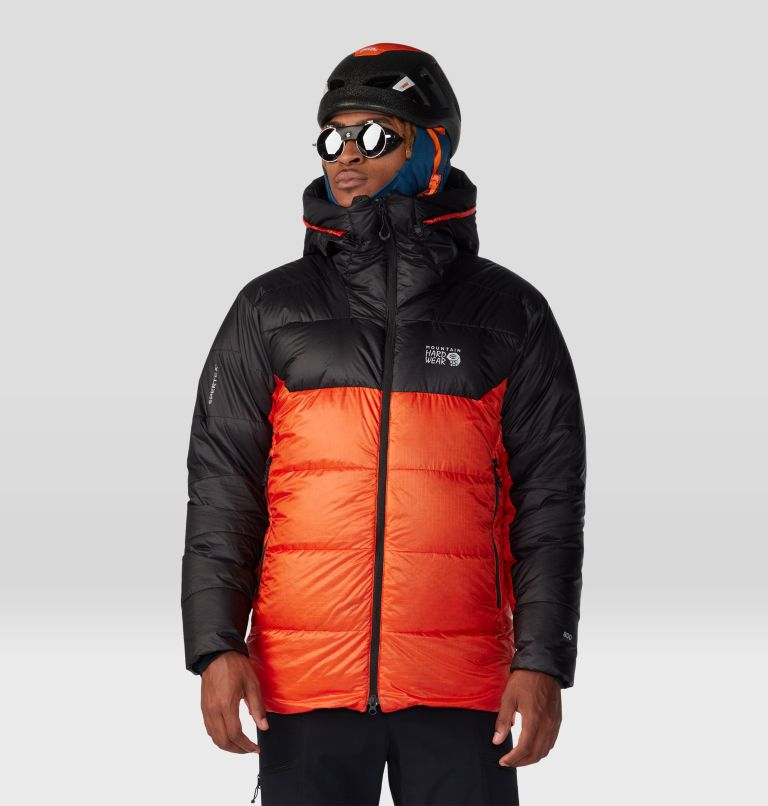
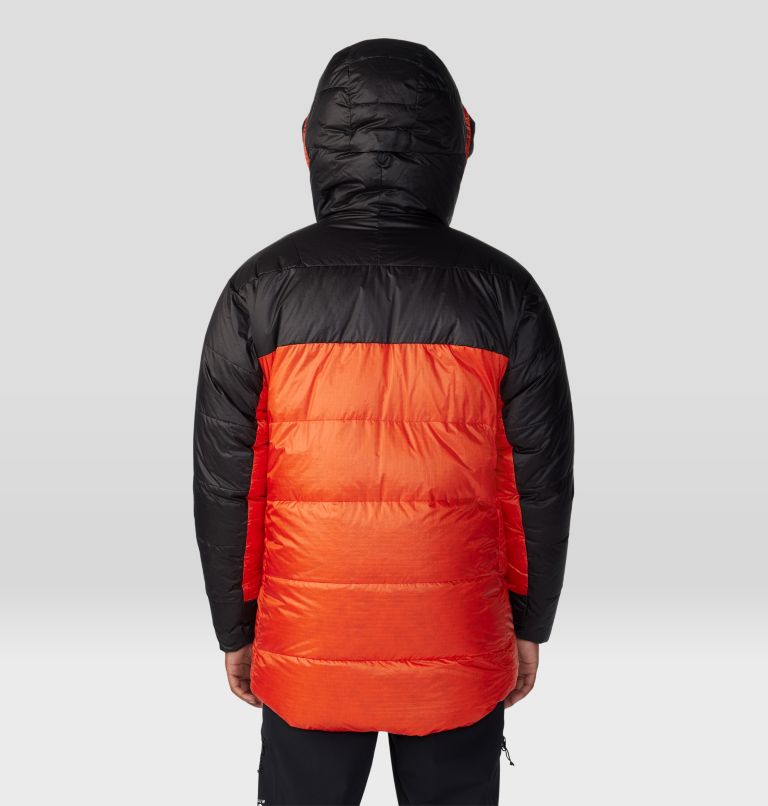
Phantom Belay Down Parka
Sale price$640.00 USD
1 color available
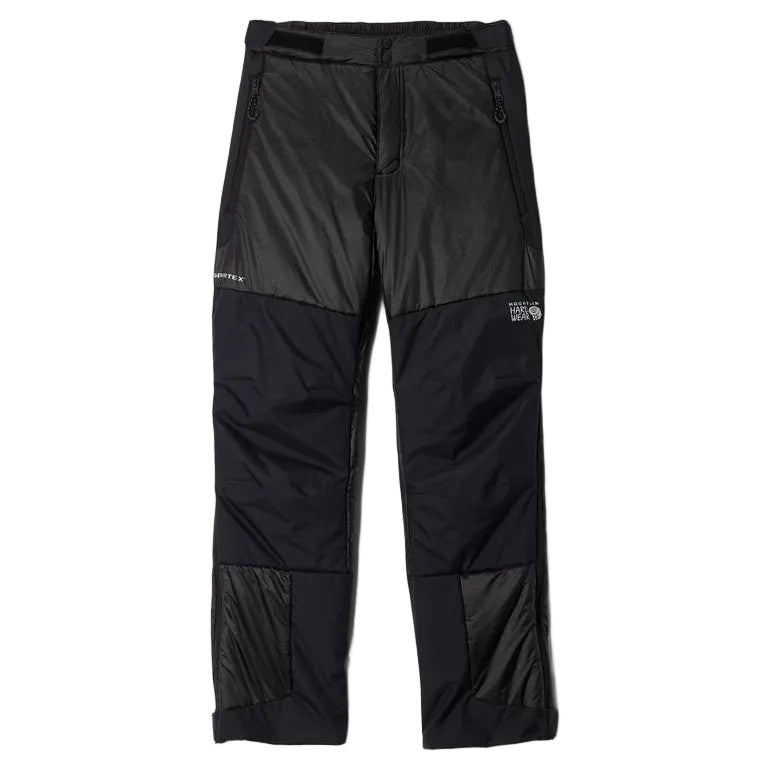
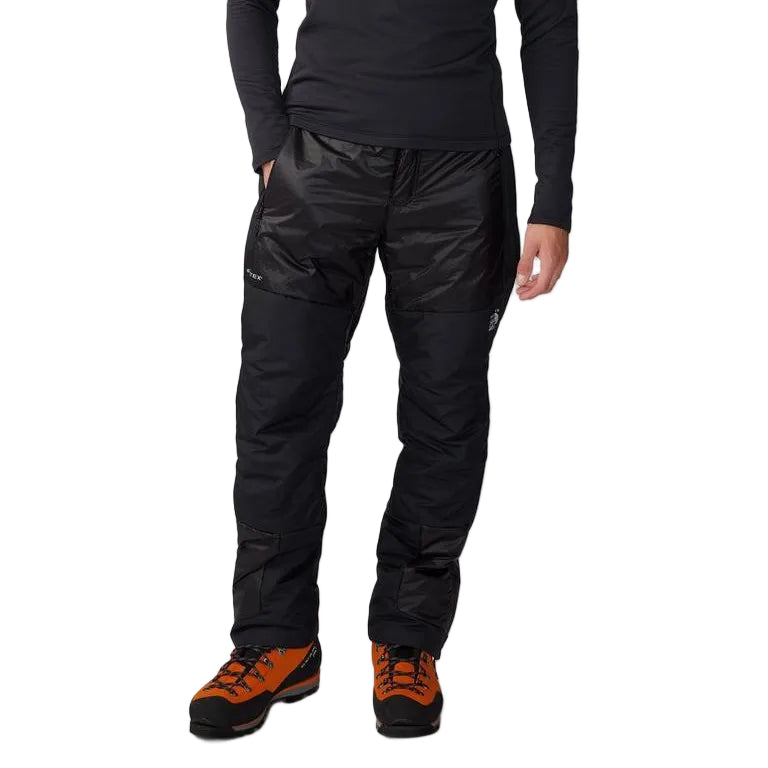
Compressor Alpine Pant
Sale price$275.00 USD
1 color available
Women's Phantom Belay Down Parka
Sale price$640.00 USD
1 color available
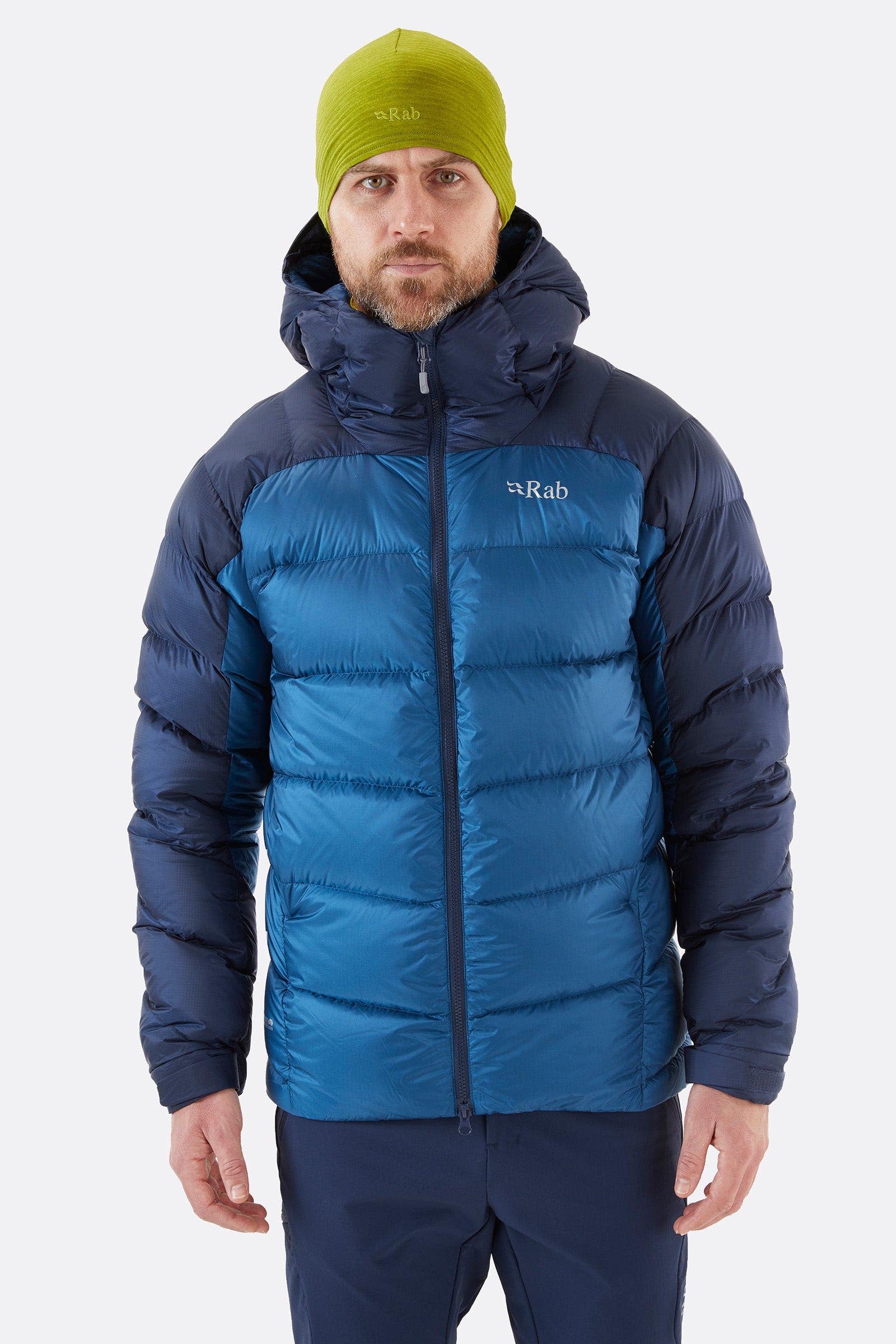

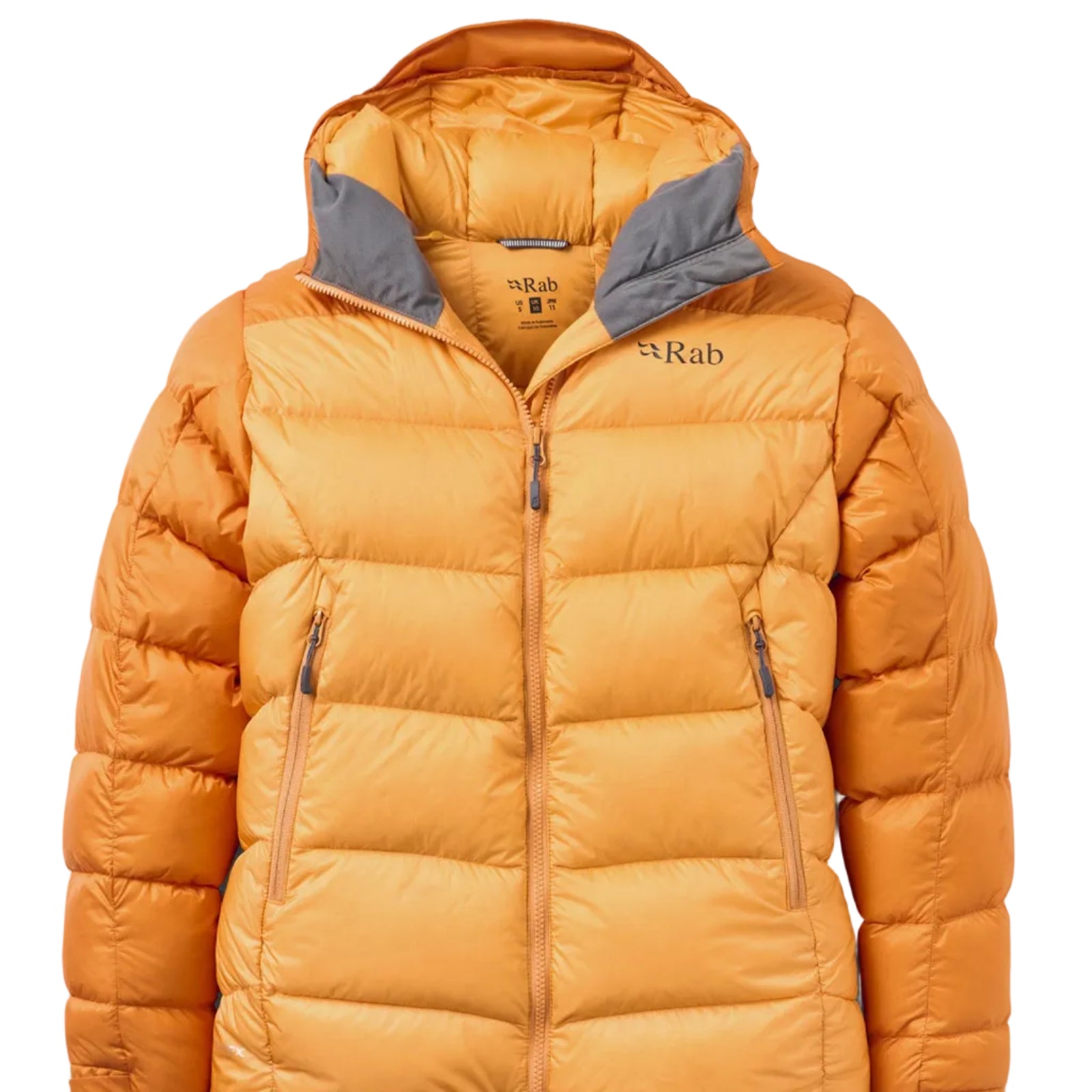
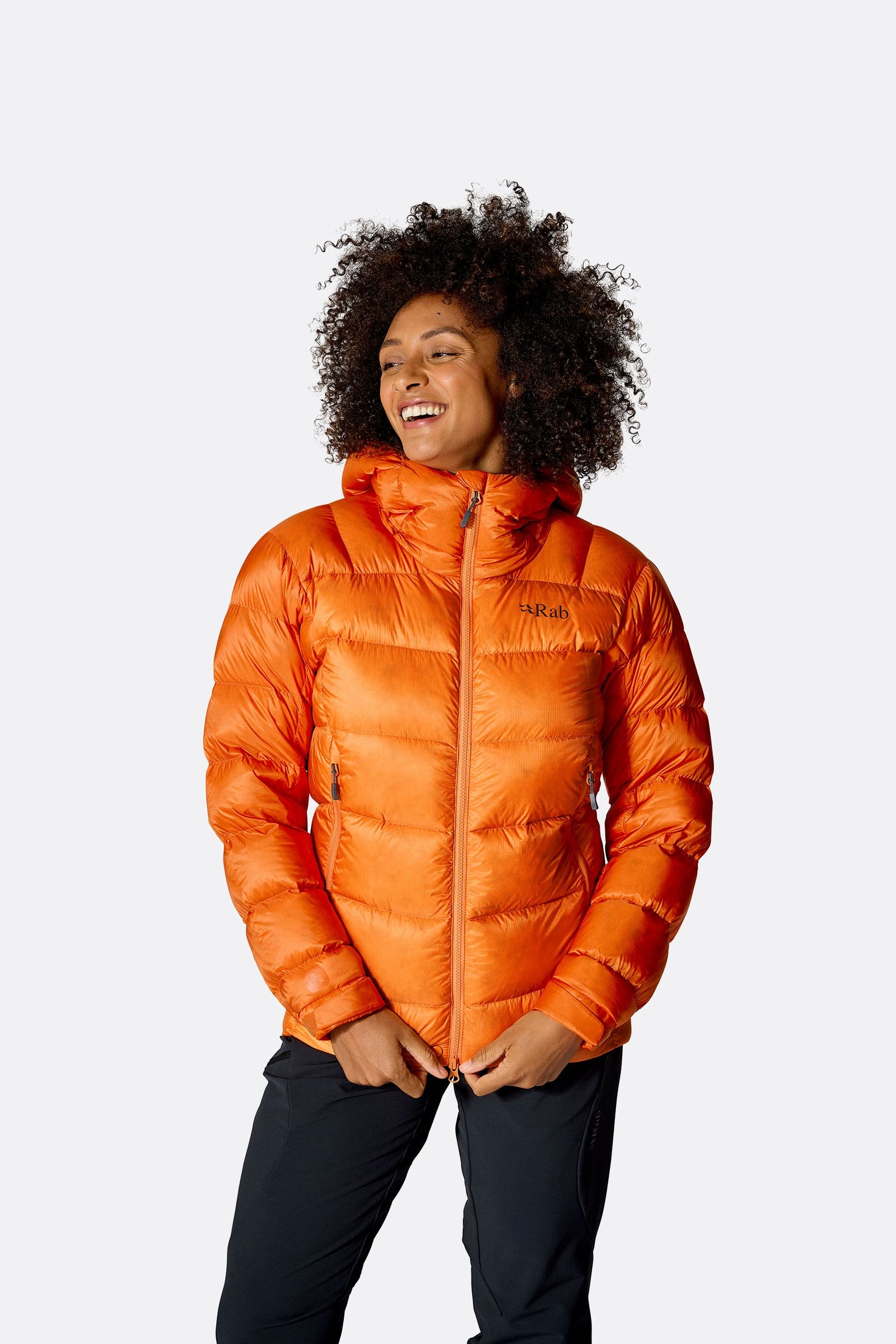
Women's Neutrino Pro Hoody
Sale price$450.00 USD
1 color available
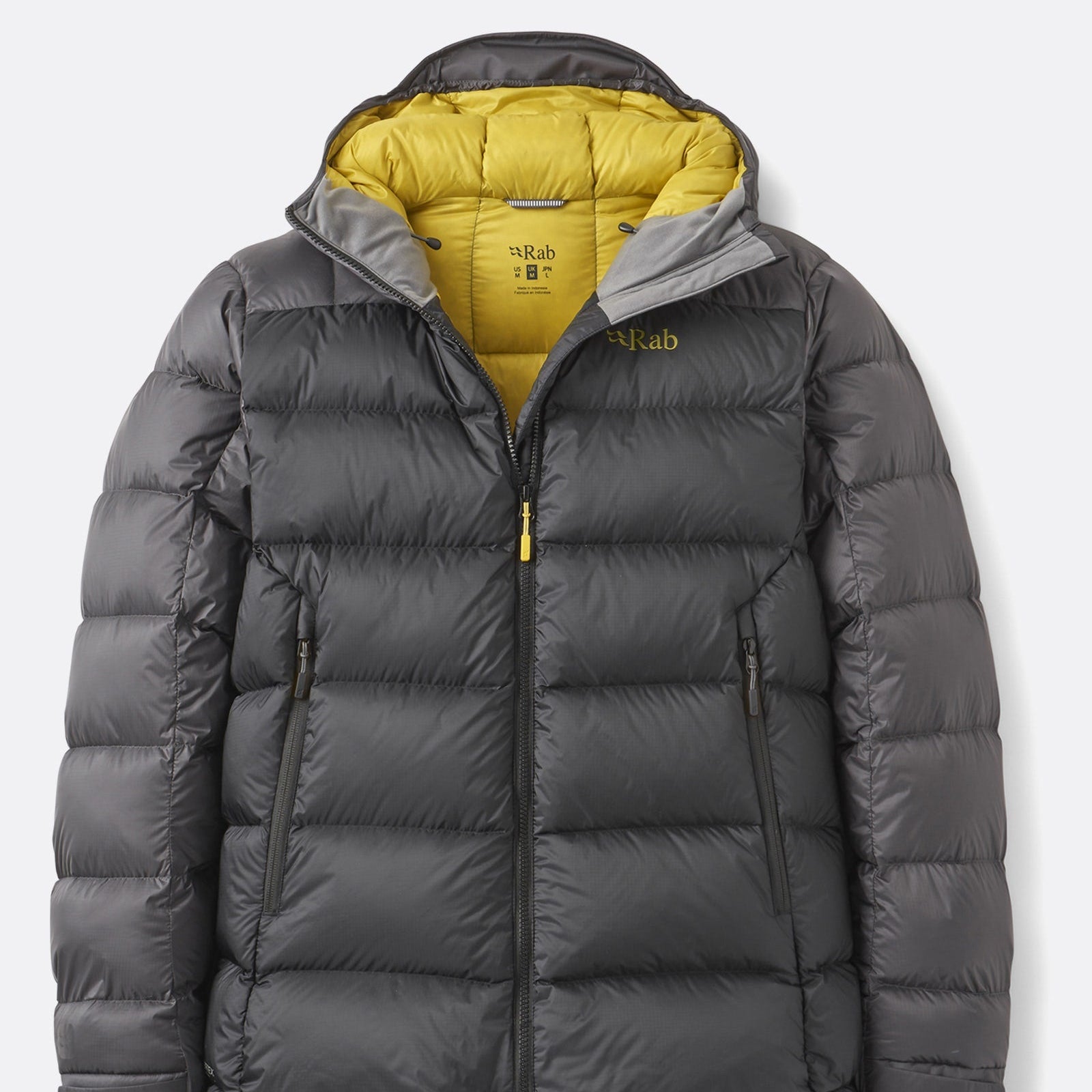
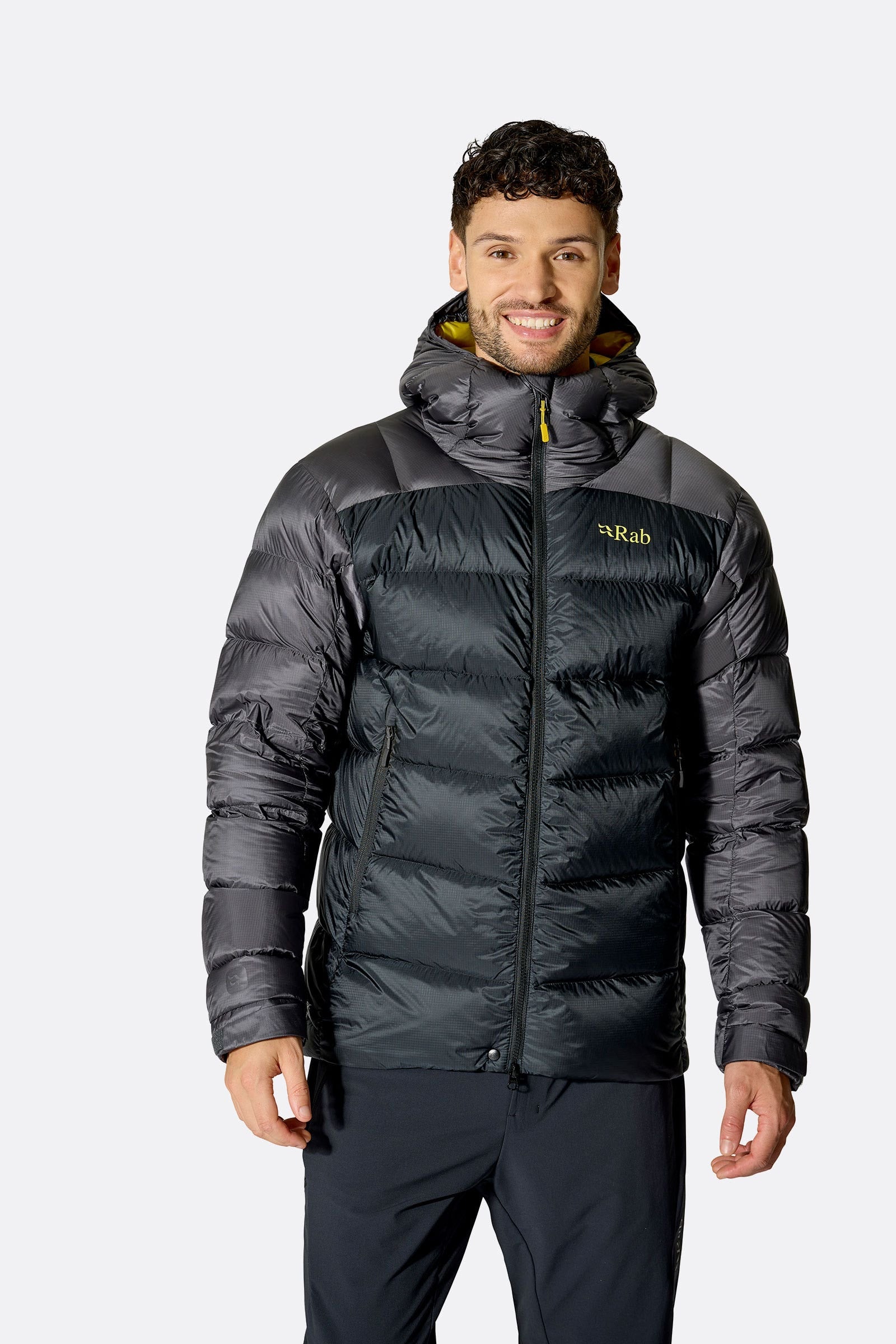
Neutrino Pro Hoody
Sale price$450.00 USD
1 color available
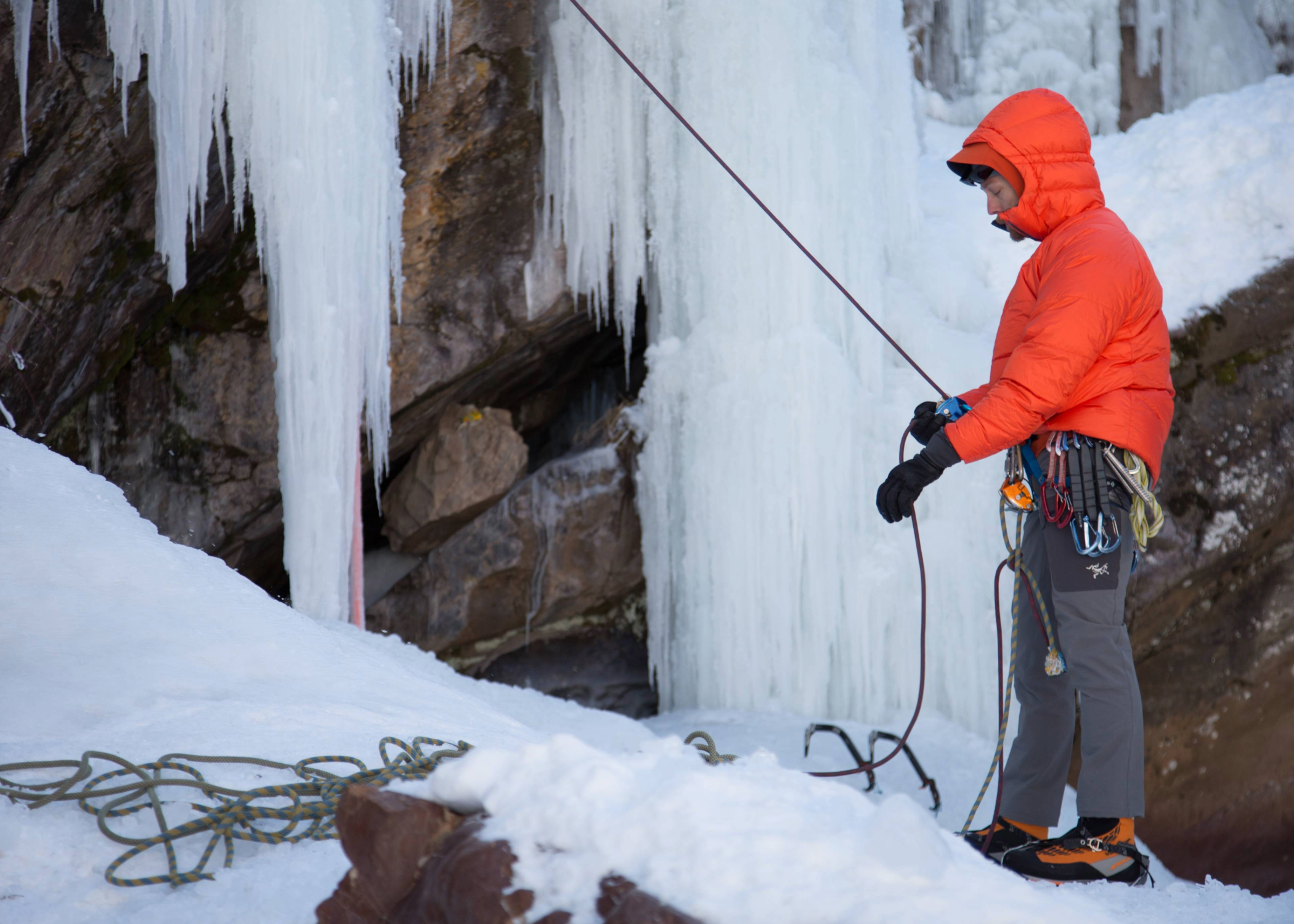
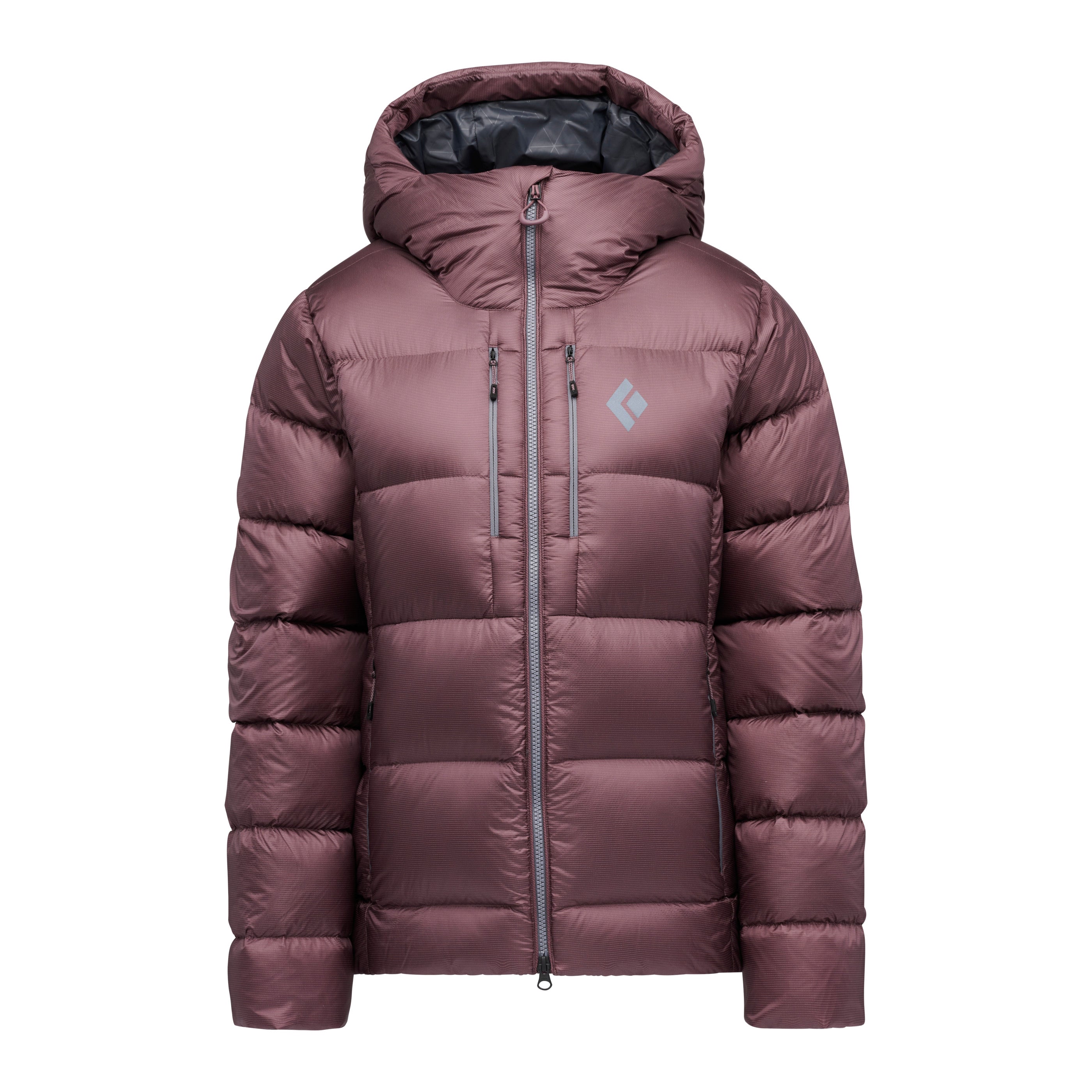
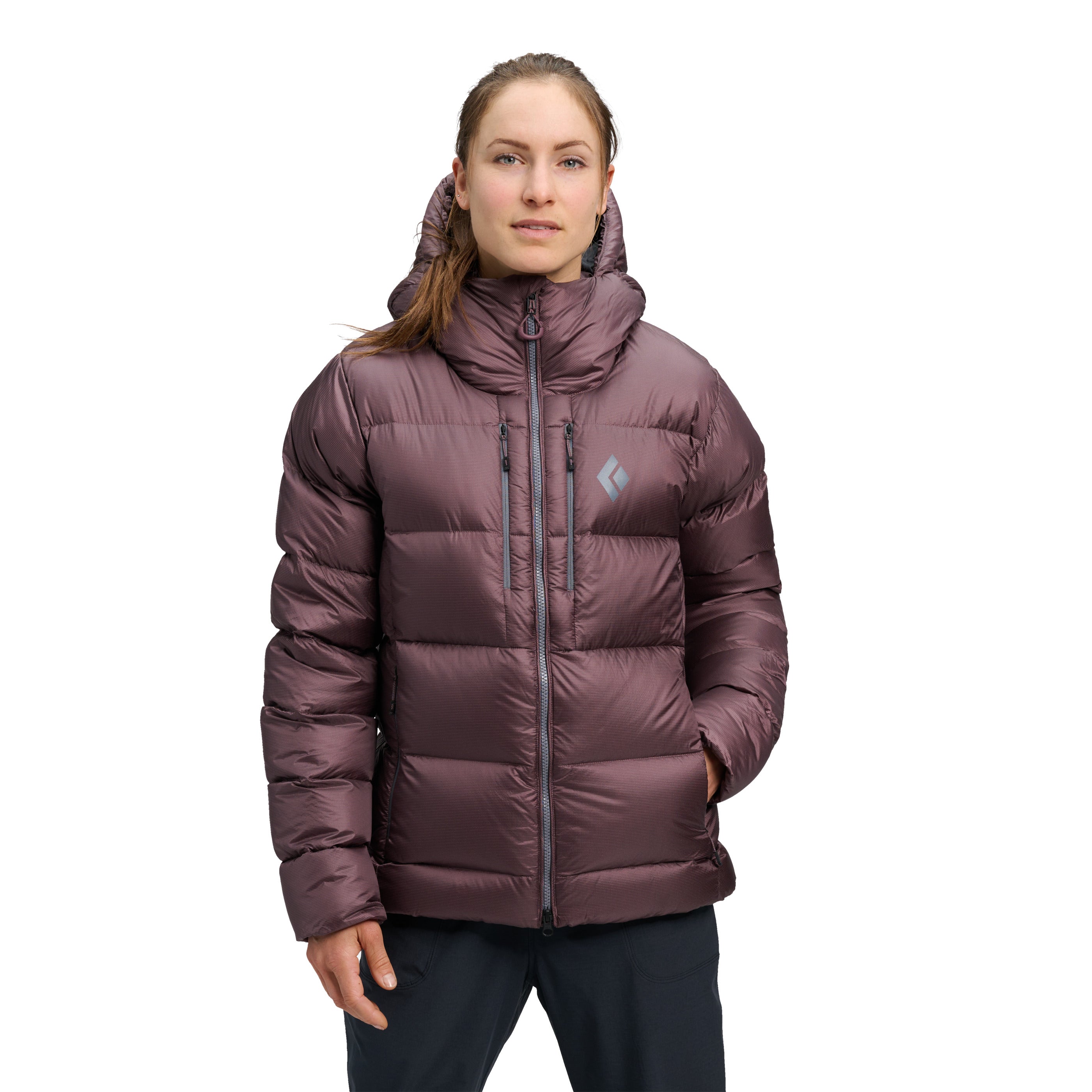
Women's Mission Down 4000 M Parka
Sale price$599.00 USD
1 color available
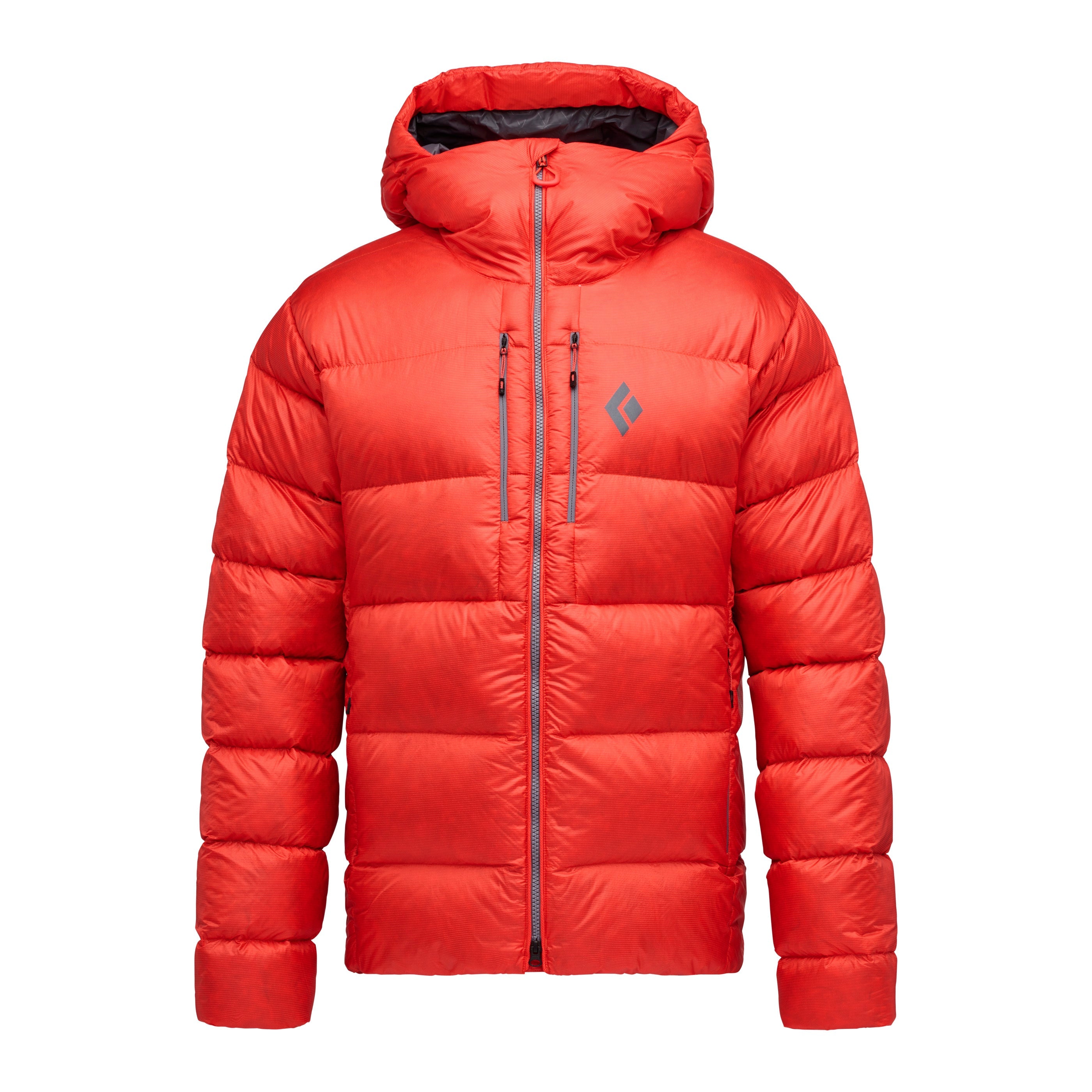
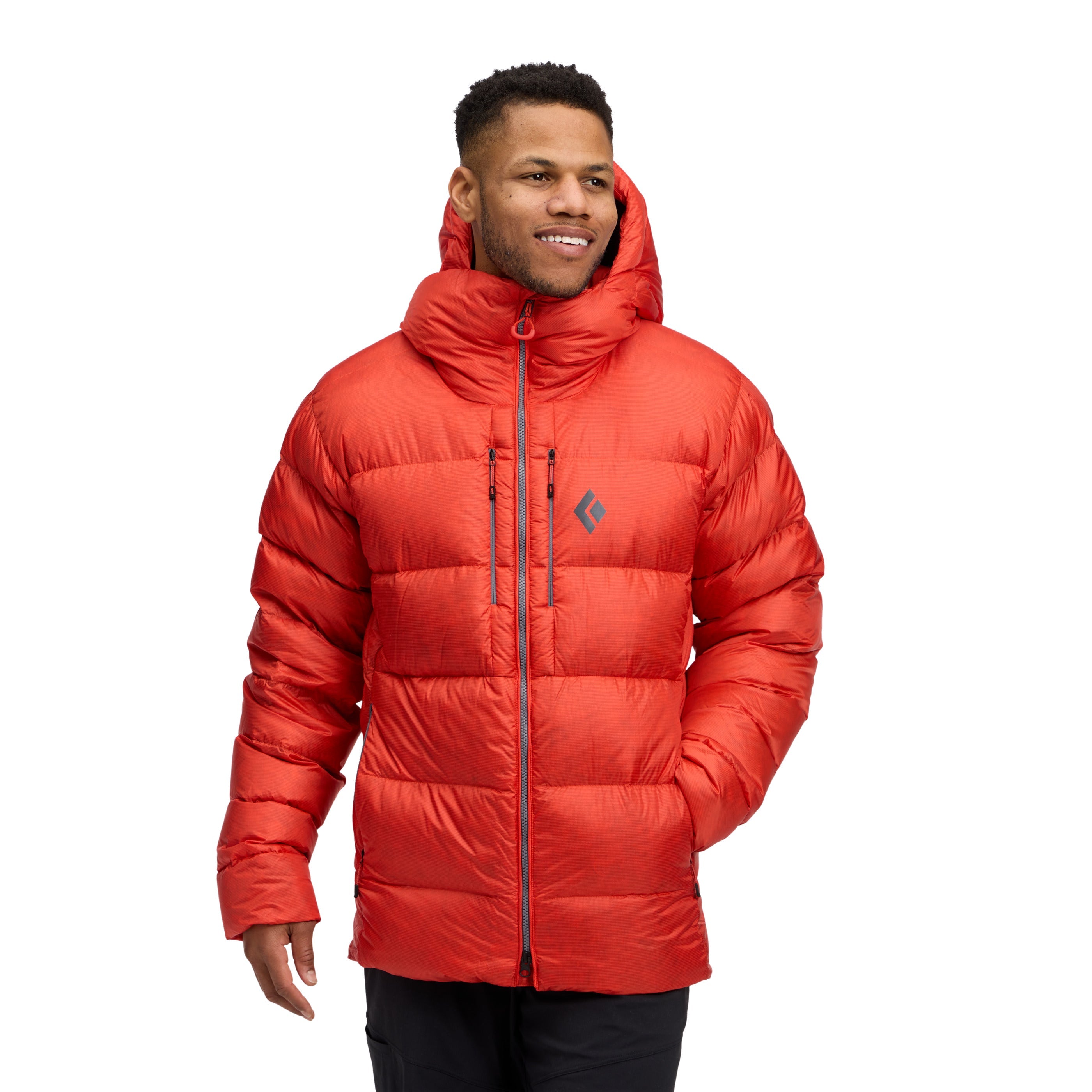
Mission Down 4000 M Parka
Sale price$599.00 USD
1 color available
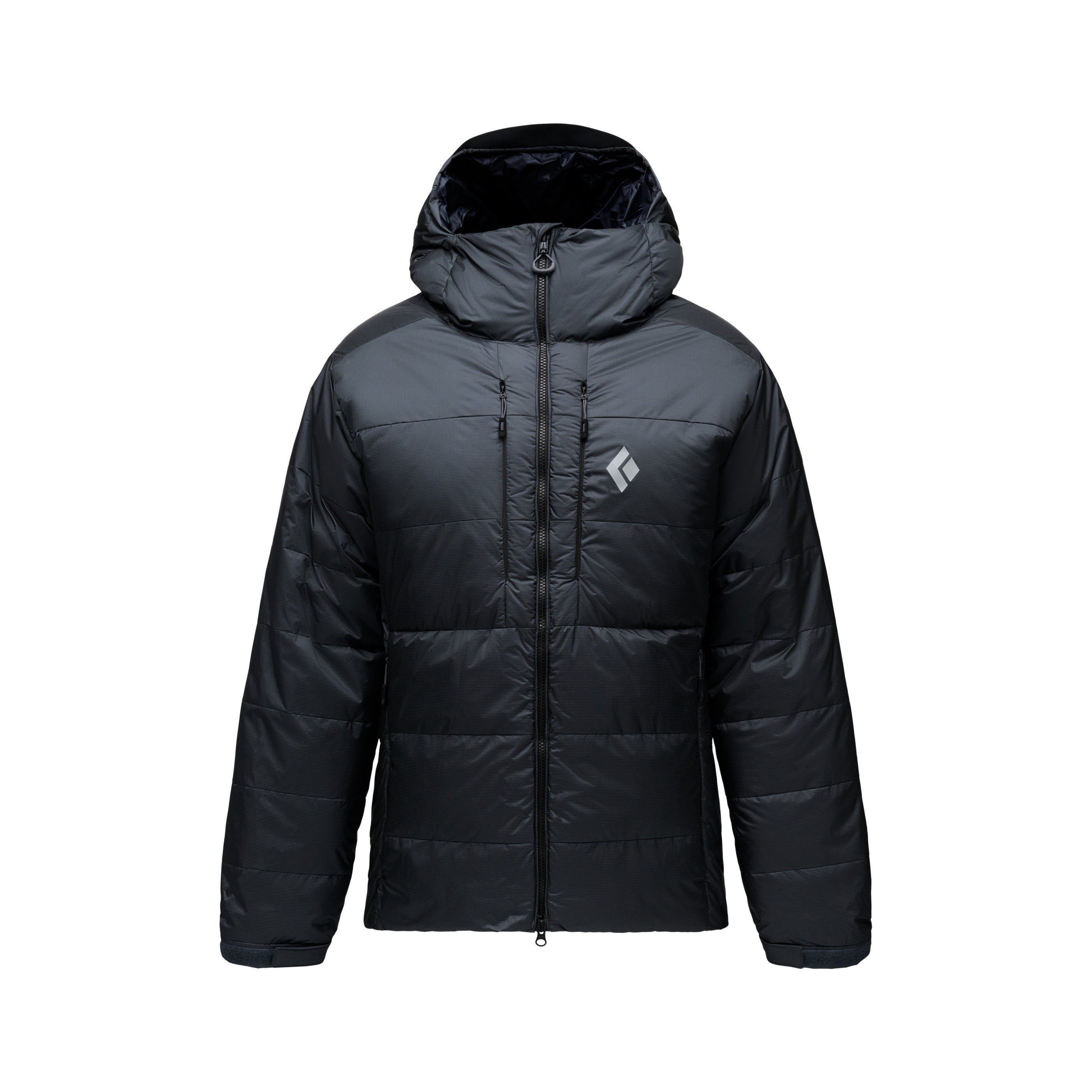
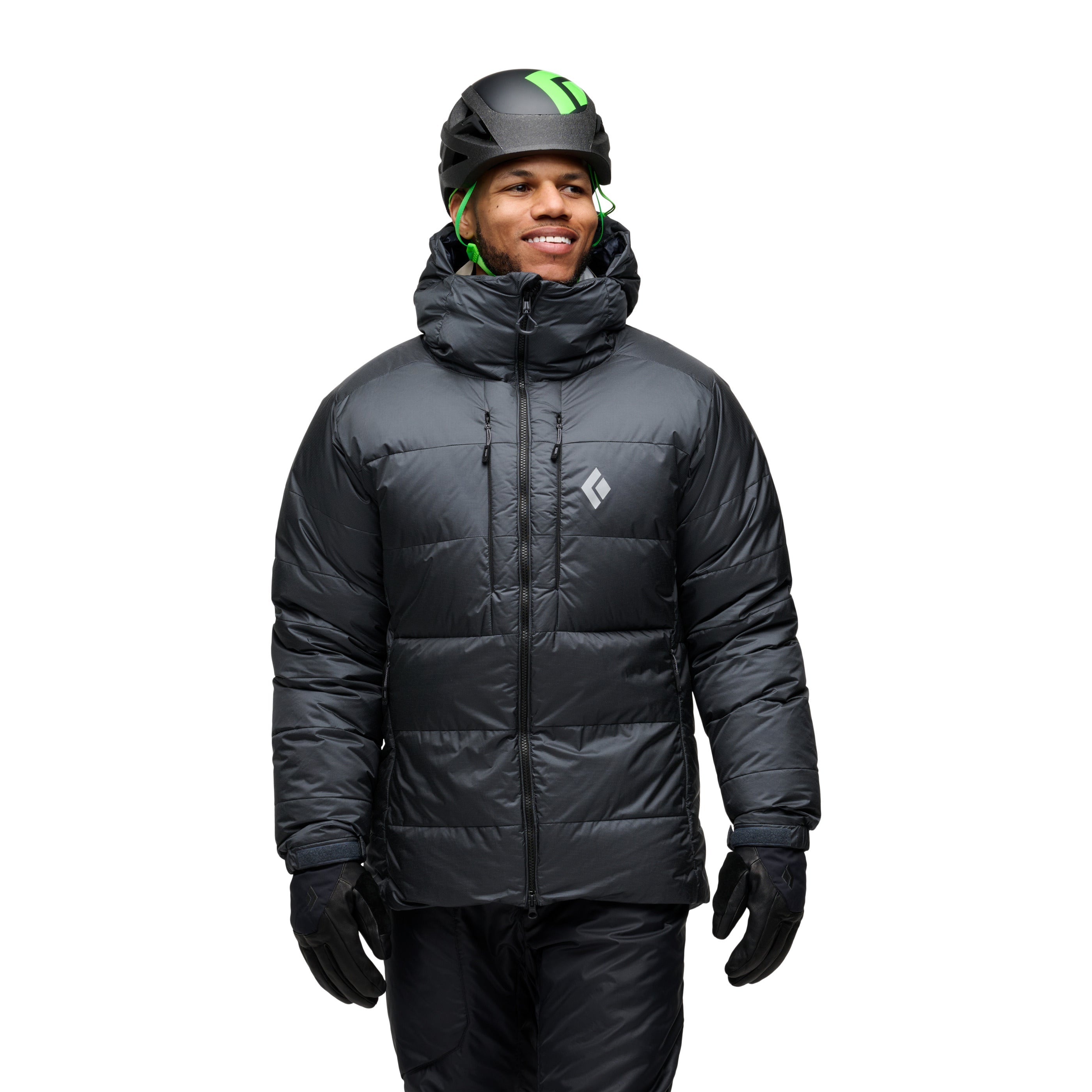
Mission Down 6000 M Parka
Sale price$1,299.00 USD
1 color available
